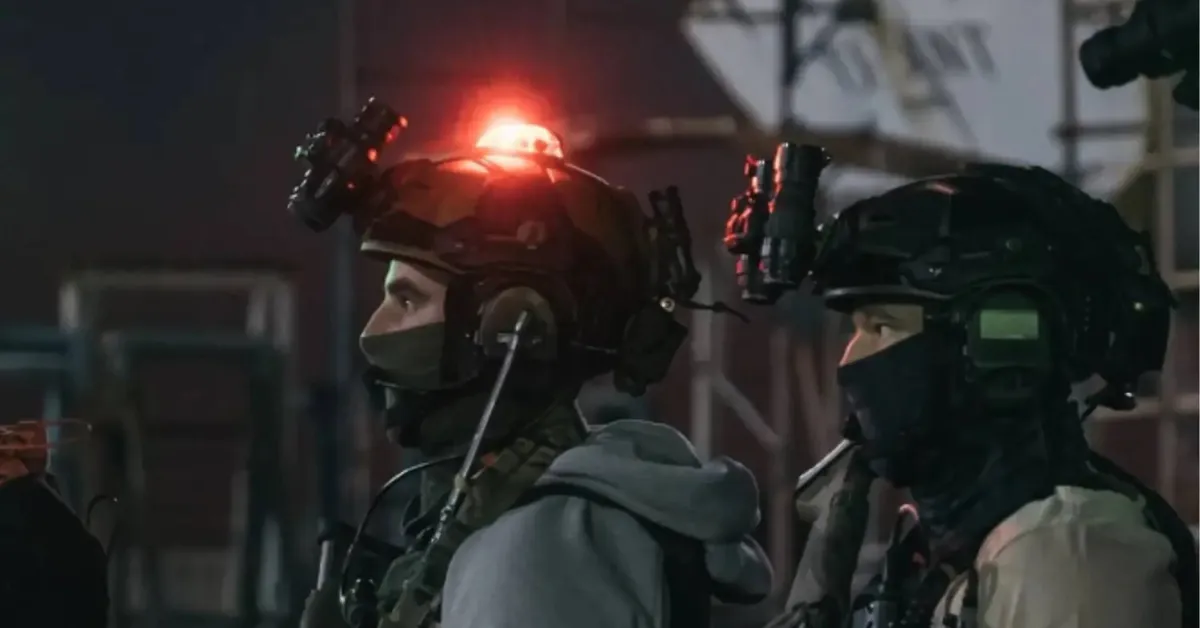
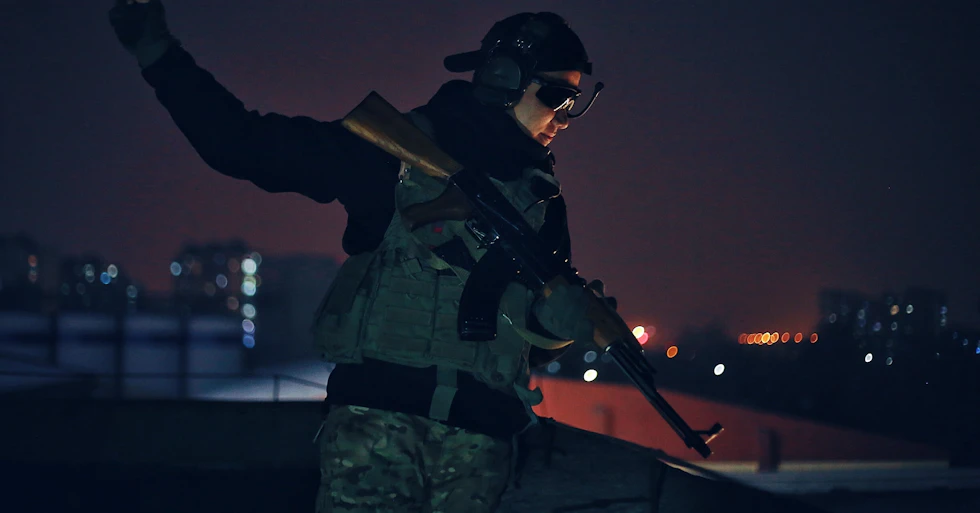
According to the Global Humanitarian Overview, 305 million people will need humanitarian aid due to conflicts and climate disasters by 2025. Aid workers face immense challenges, from navigating war zones to responding to natural catastrophes. Success requires more than dedication. Personal security, effective communication, mobility, and sustainability are critical in these high-risk situations.
MSS Defence leverages extensive experience to provide mission-ready solutions for military, security, and emergency response teams. It applies this expertise to humanitarian operations. With field-proven equipment and strategic support, aid workers can operate more safely, efficiently, and effectively, regardless of their challenges.
Frontline Heroes of Humanitarian Crises
In volatile environments, humanitarian professionals face challenges similar to those of military and law enforcement personnel. From navigating hostile regions to establishing medical and logistical operations in disaster-hit areas, these teams rely on trusted solutions that enhance safety, efficiency, and adaptability.
Four key factors define a successful humanitarian mission:
- Preparedness – to handle unpredictable conditions.
- Mobility – for efficient operations in any terrain.
- Security – to protect personnel and vital resources.
- Sustainability – to adapt to prolonged aid efforts.
With the right support systems, missions run smoother, risks are minimised, and aid reaches those in need faster.
Tactical Solutions Tailored to Humanitarian Needs
Ensuring that aid workers can operate effectively requires battle-proven solutions designed for harsh environments. Each component, from secure communication tools to logistical infrastructure, is vital in keeping humanitarian teams safe and operational.
1. Reliable Communication Systems
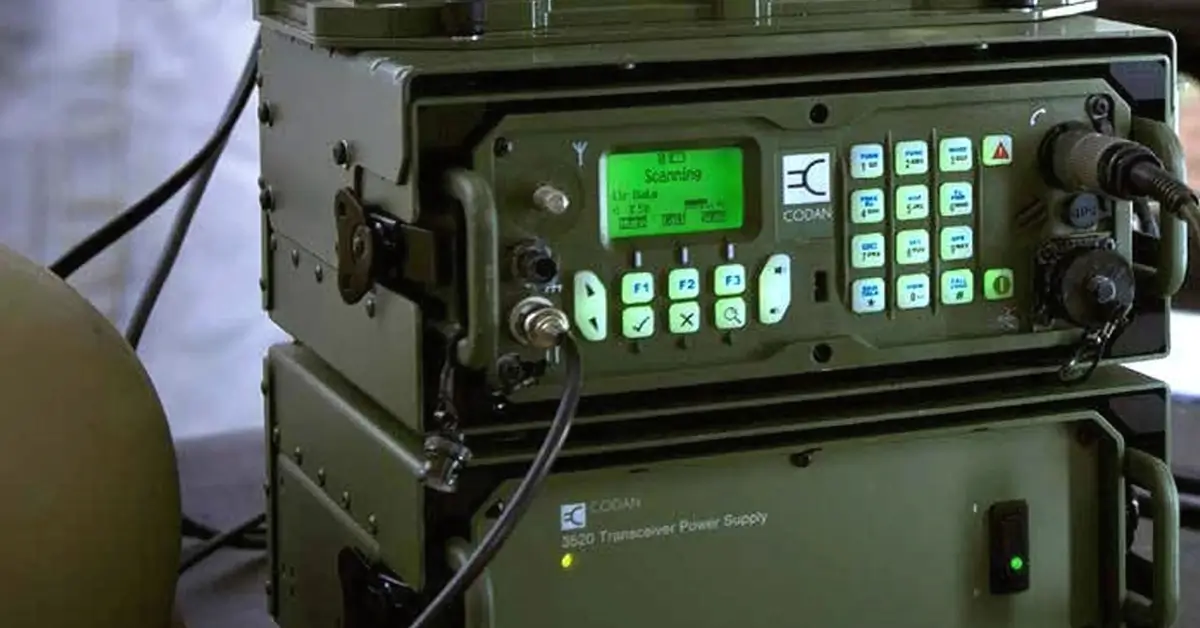
Crisis zones often suffer from severely damaged or non-existent communication infrastructure, making coordination tricky. Secure, uninterrupted connectivity ensures better planning and faster response times.
Satellite phones and encrypted radios – maintaining real-time communication across long distances.
Portable command centres – creating instant communication hubs in disaster-affected areas.
These systems enhance coordination and situational awareness, ensuring aid missions run smoothly, even in the most remote locations.
2. Personal Protective Equipment (PPE)
Threats are unavoidable for aid workers operating in conflict zones, disaster areas, and health emergencies. Proper protective gear helps maintain safety without compromising mobility.
Ballistic vests and helmets – providing critical protection in high-risk environments.
Respirators and medical-grade PPE – essential for disease outbreak response and hazardous conditions.
With the proper protective equipment, teams can focus on their mission without risk.
3. Water Purification: Clean Water Anytime, Anywhere
Access to safe drinking water remains one of the biggest challenges in disaster response. Without it, dehydration and disease outbreaks escalate rapidly. Reliable purification systems make all the difference.
Mobile purification units – deployable in minutes to provide clean water on-site.
Large-scale purification plants – supporting entire refugee camps or disaster-hit communities.
Personal filtration solutions – ensuring individuals and small teams have safe water access.
By preventing waterborne risks, aid workers and affected populations stay healthier and more resilient.

4. Mobile Field Hospitals & Medical Solutions
Disasters often overwhelm local healthcare systems or destroy medical infrastructure entirely. Fast, adequate medical support saves lives in the critical hours and days following a crisis.
Rapid-response trauma kits – providing immediate treatment options for field medics.
Deployable field hospitals – scalable triage, surgery, and mobile clinics solutions.
With field-ready medical infrastructure, healthcare teams deliver life-saving care wherever it’s needed most.
5. Tactical Mobility: Vehicles & Transport Solutions
Rugged terrain, damaged roads, and security threats often hinder humanitarian efforts. However, reliable transportation ensures that aid reaches those in need.
Armoured vehicles – offering protection in unstable regions.
Off-road transport solutions – capable of navigating flooded, mountainous, or debris-strewn landscapes.
With mobility solutions, personnel and supplies arrive safely and on time.
6. Situational Awareness & Security Solutions
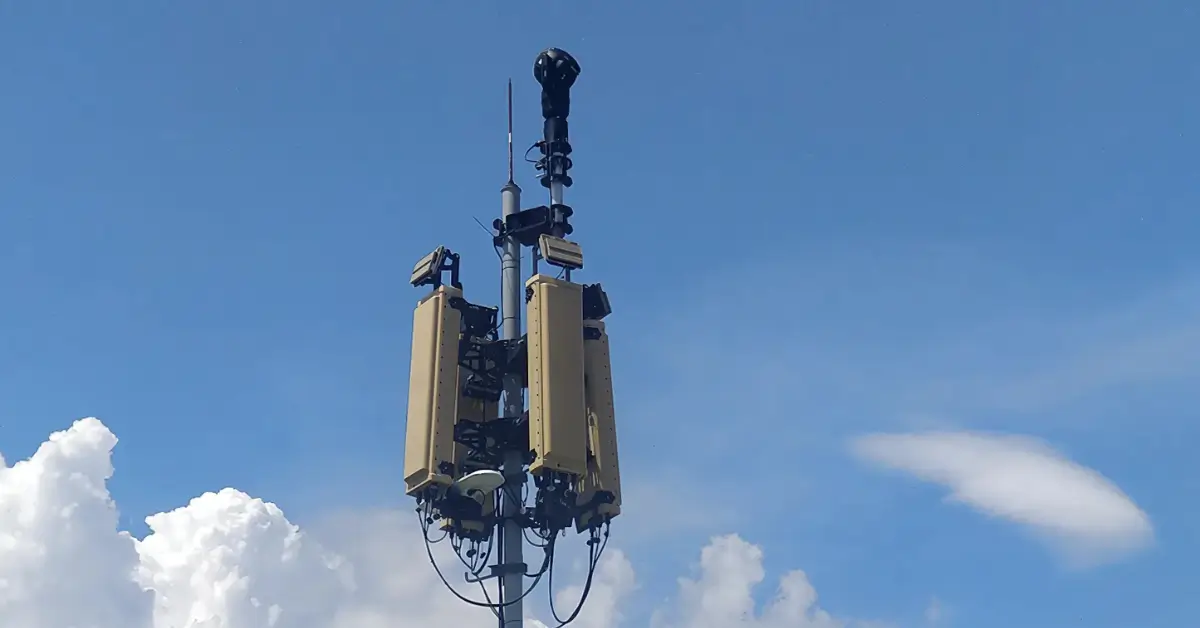
Humanitarian teams are increasingly facing security threats, particularly in conflict zones where aid operations are specifically targeted. A clear picture of the environment allows teams to plan safer, more effective missions.
Surveillance systems and drones – providing real-time intelligence on potential threats.
Perimeter security solutions – protecting aid camps, storage facilities, and medical units.
With enhanced situational awareness, aid teams remain proactive—not reactive.
7. Protective Barriers: Securing Aid Operations
Securing critical infrastructure, personnel, and supplies is essential in volatile environments, from natural disasters to armed conflicts. Deployable protective barriers provide fast, reliable security solutions.
Flood barriers – minimising water damage to camps, hospitals, and storage areas.
Blast-resistant barriers – offering protection against explosions and stray gunfire.
Perimeter fencing – controlling access points and securing vital resources.
With proven security measures, humanitarian professionals can operate safely and effectively.
8. Durable Tents & Housing Solutions
Shelter is a basic necessity in any humanitarian crisis. Rapid-deployment shelters are indispensable for housing displaced communities or providing a base for aid workers.
Emergency relief tents – setting up temporary shelters within hours.
Insulated field-ready housing – durable structures for prolonged aid operations.
Modular housing units – scalable solutions for refugee camps and medical stations.
With rugged, climate-resistant shelters, humanitarian teams and crisis-affected populations stay safe and secure.

9. Comprehensive Training Programs
Training is essential for humanitarian professionals operating in high-pressure, unpredictable environments. Tailored programs help aid workers anticipate challenges, enhance safety, and execute missions effectively.
Risk assessment and emergency preparedness training – equipping teams to handle conflict zones and natural disasters.
First aid and trauma care courses – ensuring immediate medical support during critical moments.
Communication and navigation simulations – familiarising personnel with key tools like satellite phones, drones, or GPS systems.
By investing in realistic, hands-on training, MSS Defence ensures that aid workers remain confident and prepared to face any challenge.
Empowering Mission Readiness for Humanitarian Professionals
Success in humanitarian missions depends on preparation, adaptability, and resilience. Aid workers operate in some of the most demanding environments on Earth, and the right tactical solutions make all the difference. By enhancing security, mobility, communication, and sustainability, aid teams stay focused on saving lives.
With extensive experience in supplying military, law enforcement, and emergency response teams, MSS Defence specialises in mission-ready solutions tailored to high-risk environments. The same expertise that supports defence and security operations is now being applied to humanitarian missions, ensuring aid professionals have the tools, technology, and infrastructure they need to operate safely and effectively.
Let’s work together. Contact us today to strengthen your humanitarian operations.