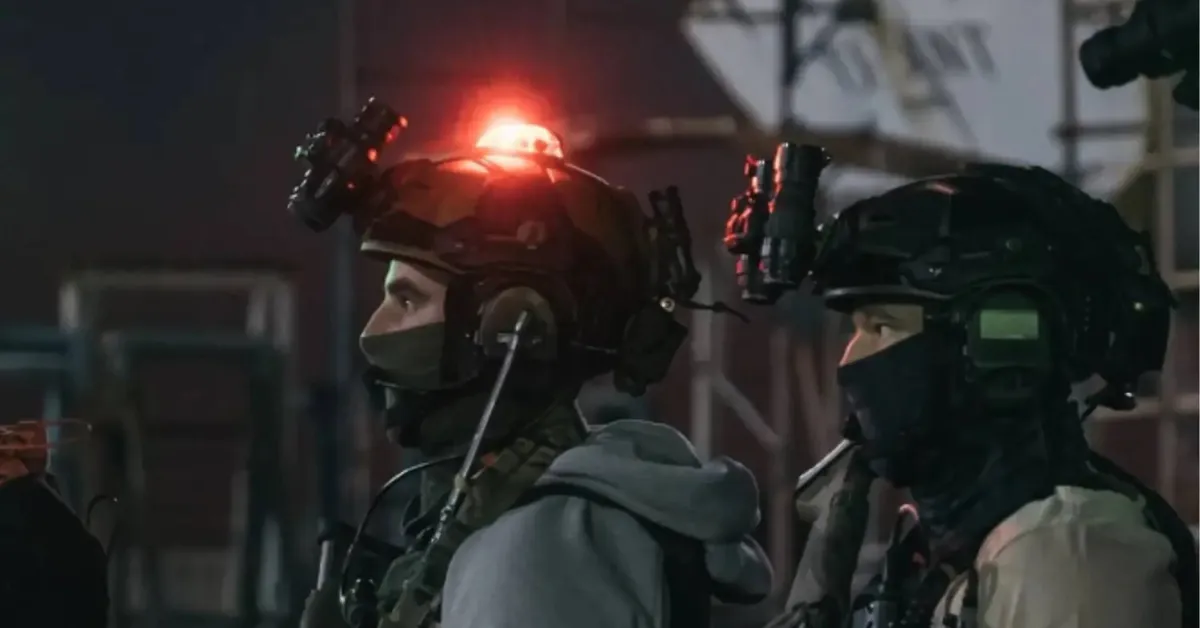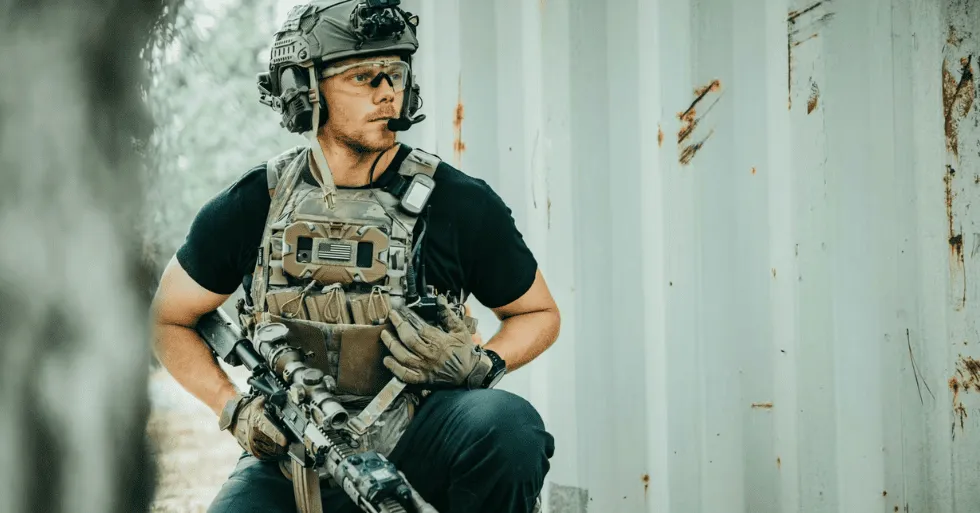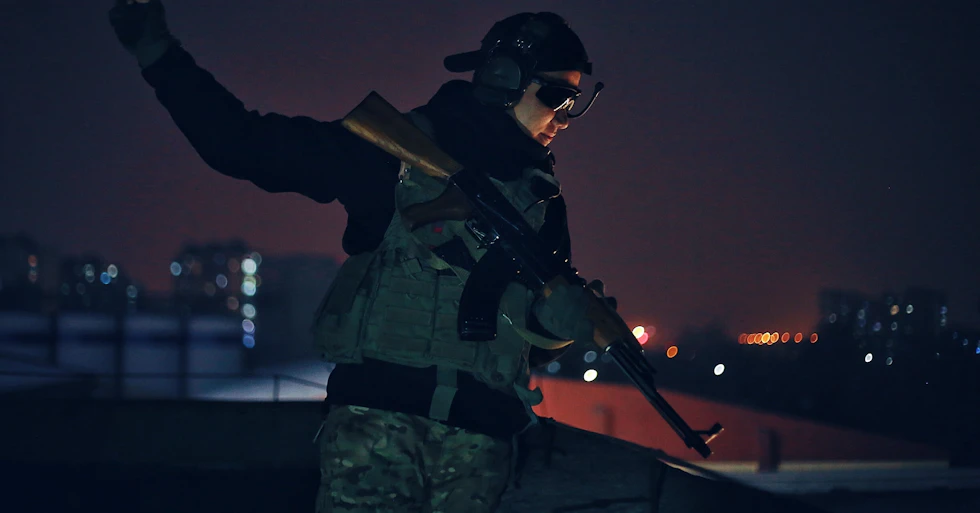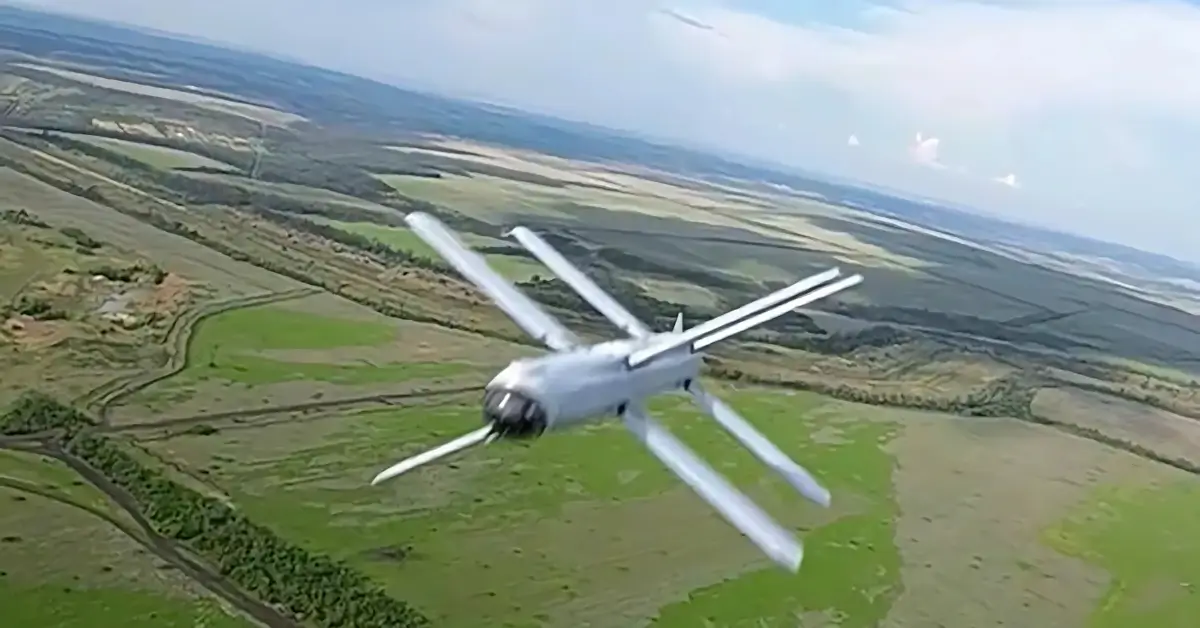
Eastern Ukraine, early 2025. A loitering munition—silent, accurate, expensive—circles above a tree line. Below, a Ukrainian artillery crew cloaks their howitzer with layered camouflage, shuts down heat sources, and deploys a thermal decoy. Smoke is popped. The drone, misled, strikes an empty target. The real gun is gone.
This is not a fluke. It’s the battlefield norm.
While modern warfare headlines focus on drones, AI, and satellite integration, the truth on the ground is different. It’s not just about technology but how you use it. And in this environment, low-tech solutions are punching far above their weight.
From decoys and netting to bicycles and field phones, military forces are repeatedly proving that adaptability beats complexity, especially when time, resources, and survivability are at stake.
Drones: The Symbol of Modern War—And Its Vulnerabilities
Unmanned aerial systems have transformed the battlefield. Commercial quadcopters like the DJI Mavic 3 or improvised FPVs are now as common as rifles. They adjust fire, gather intelligence, and drop munitions with pinpoint accuracy.
- Camouflage netting, thermal blankets, and overhead cover
- Smoke to obscure movement and break the line of sight
- Shotguns, net guns, and RF jammers deployed at the squad level
- GPS spoofing to confuse or divert autonomous drones
Operational Lesson:
Equip every platoon with a layered response to drone threats: passive concealment, active jamming, and kinetic denial. Drill it often.
Deception and Decoys: The Art of Misdirection
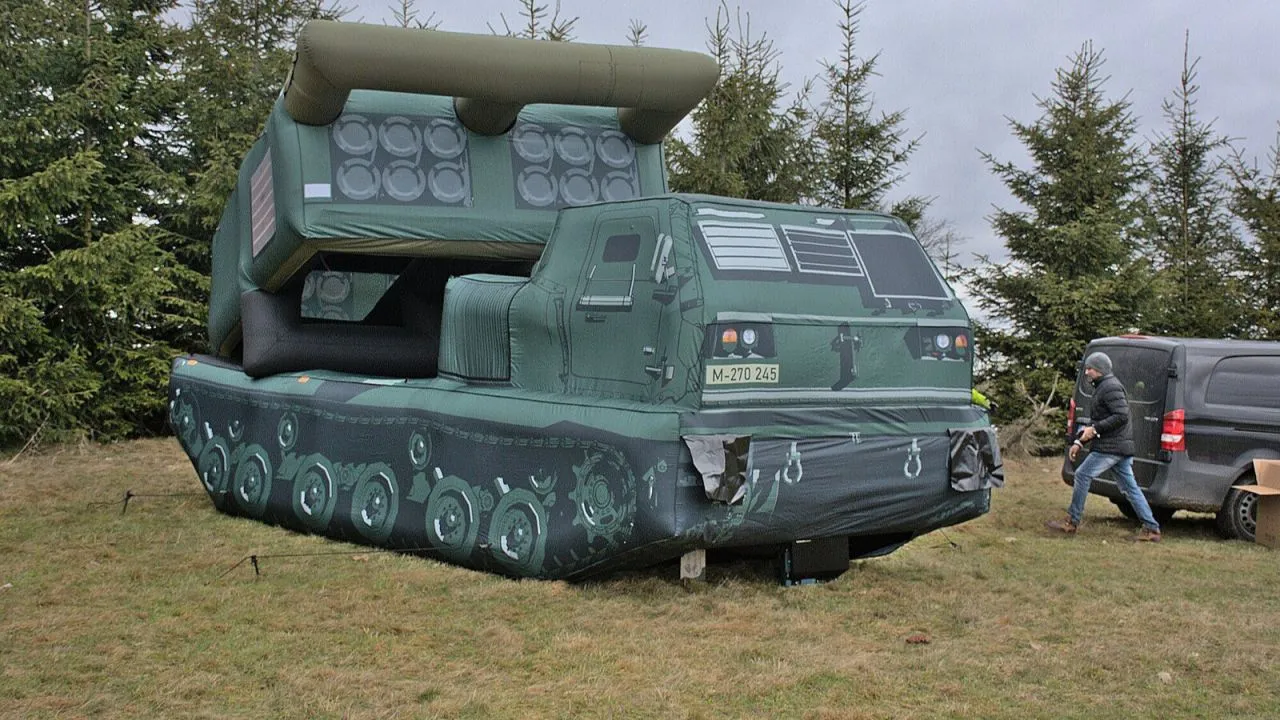
Modern ISR and strike systems rely on what they see. So the battlefield has responded—by showing them what they want to see.
Inflatable tanks. 3D-printed artillery. Fake radar arrays. Even heat-emitting decoys to fool thermal sensors. These are no longer theatre tricks—they’re front-line tools.
Operational Lesson:
Integrate deception into daily routines. Fake positions, false signals, and noise simulators should be SOP for any static site.
Counter-Drone Measures: Simple Tools, Tactical Impact
The rise of drones has made counter-drone action necessary at every level, from command posts to individual fire teams.
- Lightweight jammers with 500m+ range
- GPS spoofers
- Shotguns and slingshots for close-in defence
- Protective nets over key assets
Operational Lesson:
Build counter-drone layers into all unit layouts. Combine detection, disruption, and deception for maximum effect.
Camouflage, Smoke, and Fieldcraft: Enduring Principles
Even in a world of AI and satellite optics, some of the best tools remain old ones.
- Camouflage nets for both visual and thermal protection
- Smoke grenades and improvised smoke pots
- Thermal signature management for vehicles and teams
Operational Lesson:
Reinforce fieldcraft. Make thermal and visual concealment a core skill at every level.

Silent Mobility: Two Wheels, Big Impact
When every engine is a signature, quiet movement becomes survival.
- Electric bikes for recon and supply
- Motorbikes for fast, light movement across terrain
- Bicycles for medical and anti-tank teams operating under drone surveillance
Operational Lesson:
Integrate light mobility into the force structure. Train for speed, silence, and survivability.
Trenches, Tunnels, and the Underground Advantage
Trench warfare isn’t dead. It’s just evolved.
- Covered trenches and dugouts to avoid top-down strikes
- Heat-insulated shelters to reduce thermal visibility
- Tunnel systems for movement and misdirection
- Sandbags and barriers for protection and structure
Operational Lesson:
Build defences that work. Use cover, camouflage, and common sense. Fortification is not outdated—it’s operationally essential.
Analogue Comms: Old Tools, New Relevance
EW has exposed a modern vulnerability: over-reliance on digital systems. In response, units are turning back to proven tools:
- Field telephones
- Signal flags
- Prearranged visual and audio codes
Operational Lesson:
Build and rehearse analogue fallbacks. When digital fails, simple comms keep operations moving.
Improvised Engineering: Disruption Through Ingenuity
Improvised devices are shaping the battlefield—both physically and psychologically.
- Fake minefields and decoy IEDs
- Barricades and traps in urban settings
- Civilian materials repurposed for tactical delay
Operational Lesson:
Empower junior leaders and engineers to shape terrain. Creativity at the tactical edge delivers an outsized impact.
Information Warfare: Social Media as a Weapon System
The phone is now part of the kill chain.
- Drone footage used for intimidation
- Edited clips to confuse enemy morale
- Fake surrenders and misinformation campaigns in real-time
Operational Lesson:
Control the narrative. Educate troops in digital discipline. Information is now a combat multiplier—or a threat.
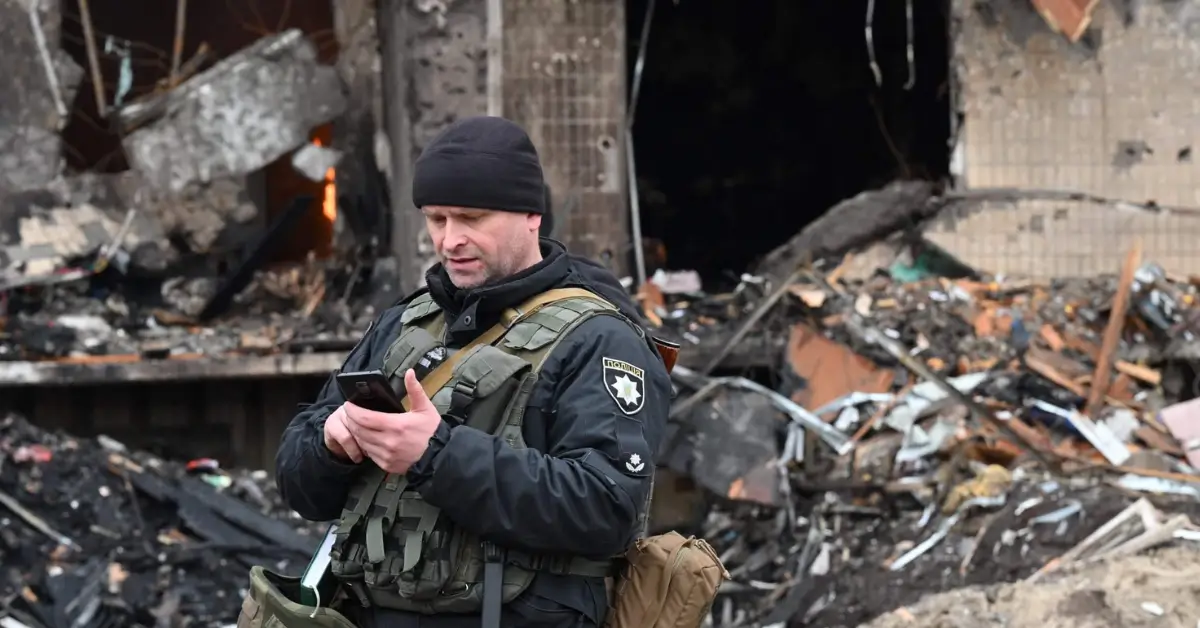
Innovation is a Culture, Not a Capability
The most decisive advantage in modern warfare isn’t technology—it’s thinking.
It’s the section leader who deploys a thermal decoy under contact.
The platoon that moves under smoke and silence.
The unit that combines analogue, digital, and improvised tools—because survival demands it.
Low-tech is not outdated. It’s flexible. Reliable. And often, more available.
In today’s wars, the real edge is those who adapt, improvise, and outthink their opponent.
Final Operational Lesson:
Build a culture of innovation and resilience. Equip the frontline with solutions they can use—now, not next year.
MSS Defence: Field-Proven Solutions, Mission-Driven Support
At MSS Defence, we help military professionals gain the operational edge where it matters most—in contact, under pressure, and on the move.
Whether you’re countering drones, fortifying forward positions, deploying light mobility platforms, or preparing for communication denial, we provide practical, proven, and rapidly deployable systems.
We understand that the most complex solution doesn’t win war—it’s won by the one that works when and where you need it.