Close-Quarter Battle (CQB) and Urban Warfare represent some of the most complex and demanding combat scenarios military personnel face today. Operations within densely populated urban areas or confined spaces require exceptional tactical proficiency, meticulous planning, and specialised equipment. Mastering these environments with proven strategies significantly increases mission success rates and enhances personnel safety.
Understanding CQB and Urban Warfare
CQB involves highly specialised combat operations conducted within extremely restricted spaces, such as buildings, tunnels, corridors, and other tight urban environments. In contrast, urban warfare refers to broader military operations within towns and cities, often amid civilian populations. Both scenarios demand units to rapidly adapt to fluid conditions, overcome physical constraints, and manage intense psychological pressures. Precision, situational awareness, discipline, and strict adherence to established rules of engagement are vital in reducing collateral damage and achieving operational success.
Challenges in Close Combat Situations
Engaging adversaries in confined spaces poses numerous unique challenges, including severely restricted manoeuvrability, compromised visibility, heightened risks of ambushes, friendly fire incidents, and immense psychological stress. Urban terrain complicates maintaining unit cohesion and communication, amplifying these challenges further. Soldiers must rapidly identify threats, carefully avoid civilian casualties, and make critical decisions under severe time constraints and extreme stress.

Best Solutions and Strategies
Comprehensive Tactical Training and Simulations
High-quality training is foundational for effective CQB and urban combat operations. Realistic scenario-based training programmes, immersive virtual simulations, and rigorous drills prepare soldiers adequately for close combat situations. Essential tactical competencies include disciplined room-clearing techniques, structured building entry, rapid decision-making, threat identification, hostage rescue, and precision target engagement. Training also emphasises efficient small-unit tactics, such as mastering hand signals, coordinated breaching methods, and precise team movements. Psychological resilience training—including stress inoculation and decision-making under pressure—is integrated to enhance cognitive clarity and reduce combat stress.
Optimised Protection Equipment (PPE)
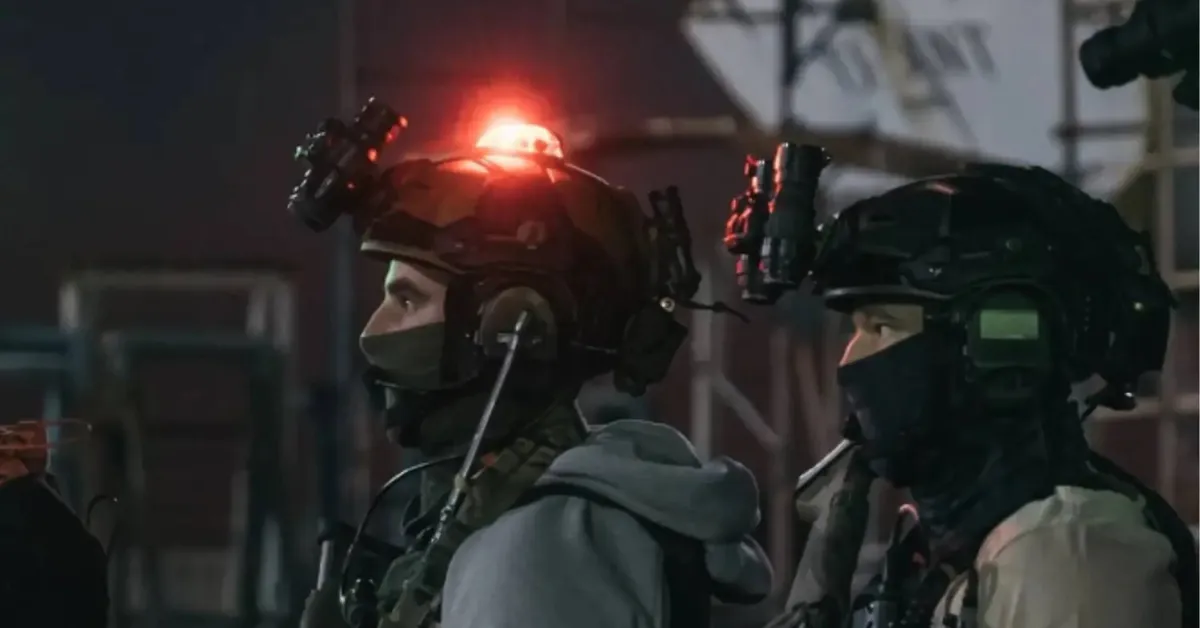
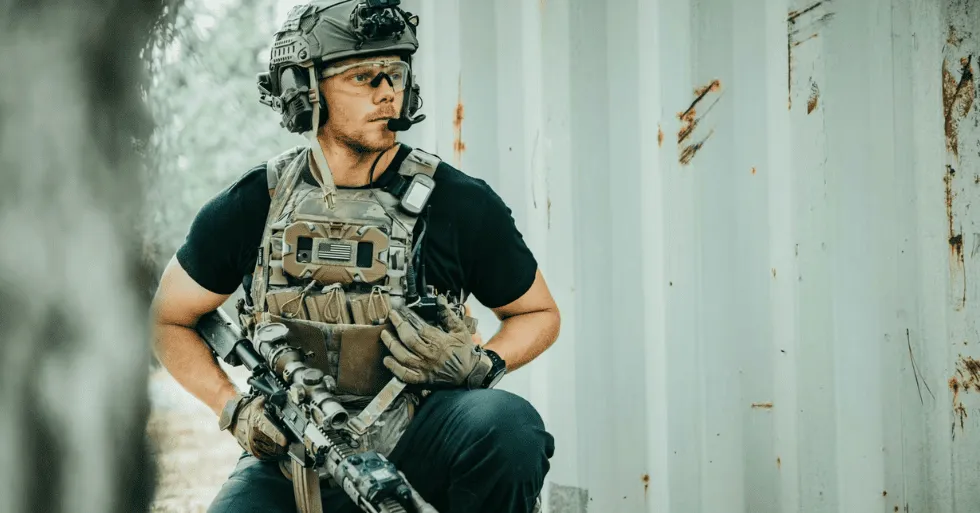
Advanced PPE is indispensable for personnel involved in close-quarters operations. Modern ballistic helmets, lightweight body armour, modular tactical vests, and advanced combat gloves provide essential protection without hindering mobility. Integrating night-vision systems, helmet-mounted communication gear, ballistic eyewear, and additional modular accessories significantly enhances soldier effectiveness and adaptability in dynamic combat environments.

Specialised Weapon Systems
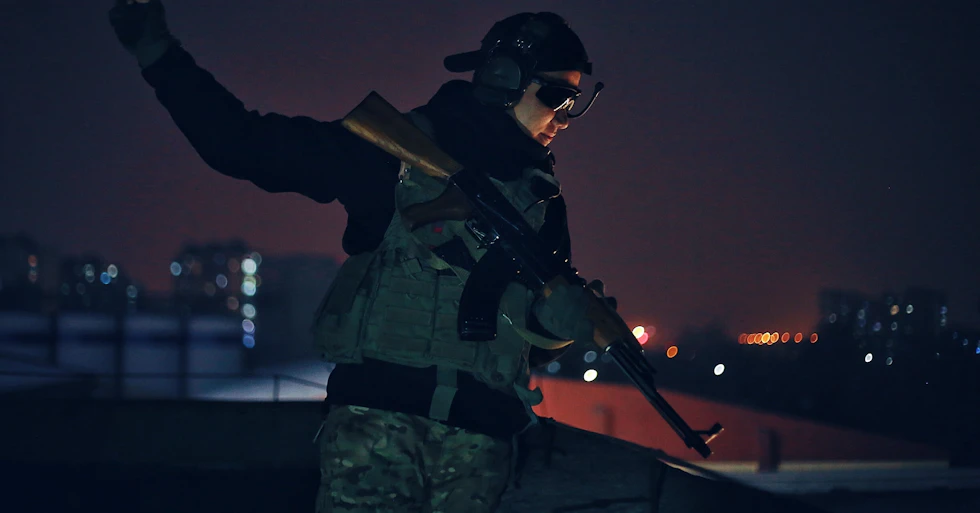
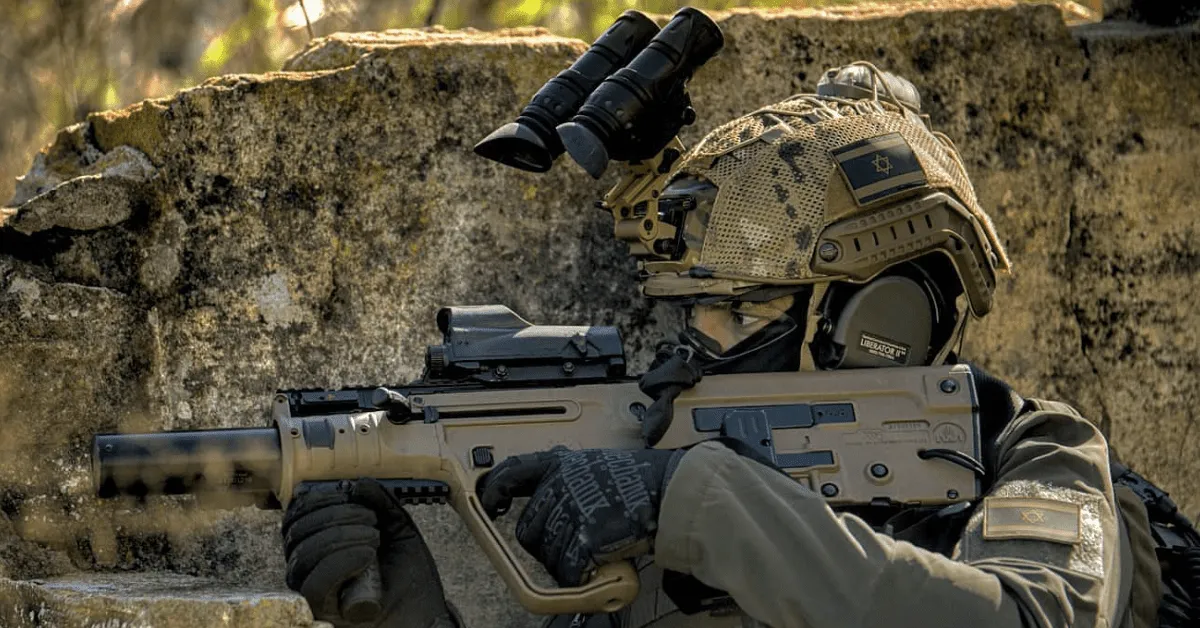
Weapon systems tailored explicitly for CQB substantially enhance operational capabilities. Compact, ergonomic firearms such as carbines, personal defence weapons (PDWs), and submachine guns offer superior agility in confined spaces. Critical accessories include suppressors to manage noise and muzzle flash, reflex and holographic sights for rapid target acquisition, tactical lasers, illumination devices, angled foregrips, and quick-detach sling systems. These enhancements significantly boost accuracy, response speed, and overall operational effectiveness.
Effective Communication Solutions
Reliable communication systems are essential for maintaining effective command and control in CQB scenarios. Secure, encrypted tactical radios, advanced headsets with noise-cancelling technology, throat microphones, and integrated helmet communications ensure uninterrupted information exchange among team members. These robust solutions facilitate precise coordination, significantly reduce operational errors, and improve reaction speed and situational awareness.

Surveillance and Reconnaissance Technologies
Cutting-edge reconnaissance tools significantly enhance situational awareness in CQB and urban operations. Small unmanned aerial vehicles (UAVs), throwable tactical cameras, fibre-optic inspection devices, and thermal imaging sensors provide real-time intelligence. These technologies facilitate improved threat assessment and efficient route planning and greatly minimise ambush risks and operational surprises.
Breaching and Entry Equipment
Effective breaching capabilities are critical in urban operations. Soldiers must utilise mechanical, ballistic, explosive, and thermal breaching tools. High-quality breaching shotguns, door rams, explosive charges, bolt cutters, hydraulic entry tools, and thermal torches enable rapid and efficient access through obstacles, significantly enhancing tactical initiative and operational speed.
Medical and Trauma Kits
Immediate medical intervention capabilities are vital during urban warfare scenarios. Compact individual first aid kits (IFAKs), advanced trauma kits, and portable evacuation equipment ensure rapid medical response. High-quality tourniquets, haemostatic agents, chest seals, and trauma dressings significantly enhance survival rates and operational resilience.
Preparing for the Future of Close Combat
Achieving tactical superiority in CQB and urban warfare requires comprehensive training, strategic foresight, psychological resilience, and state-of-the-art equipment. Implementing these critical strategies significantly boosts operational effectiveness, reduces personnel casualties, and enhances mission outcomes.
Contact MSS Defence for expert guidance and customised solutions to ensure your unit is optimally prepared and mission-ready for any close-combat scenario.