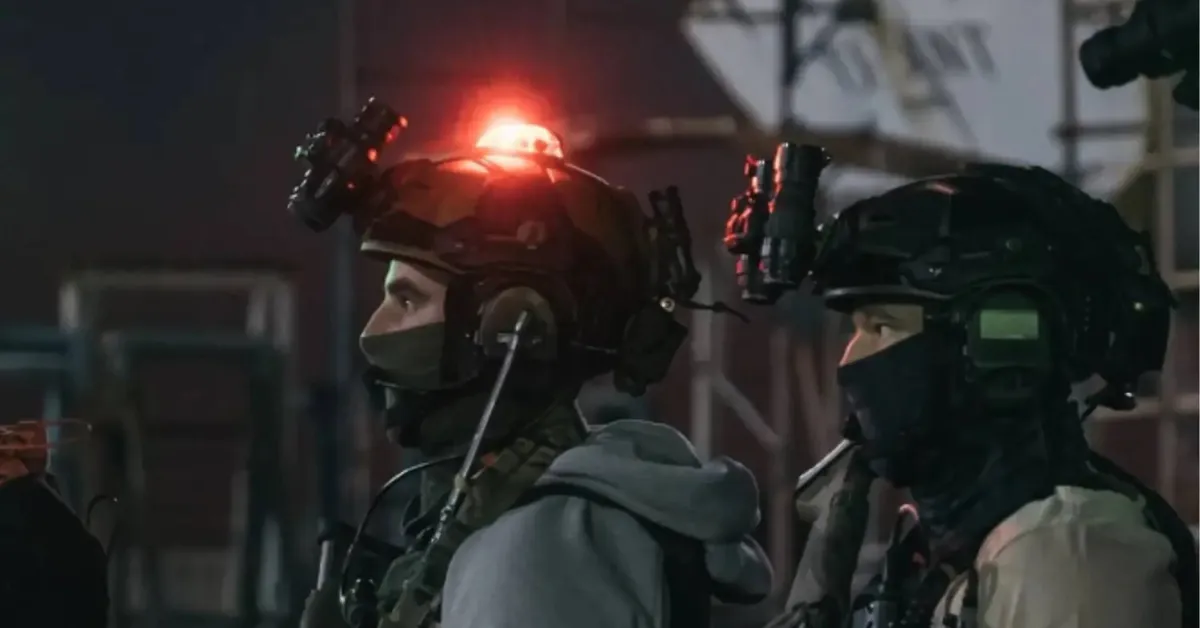
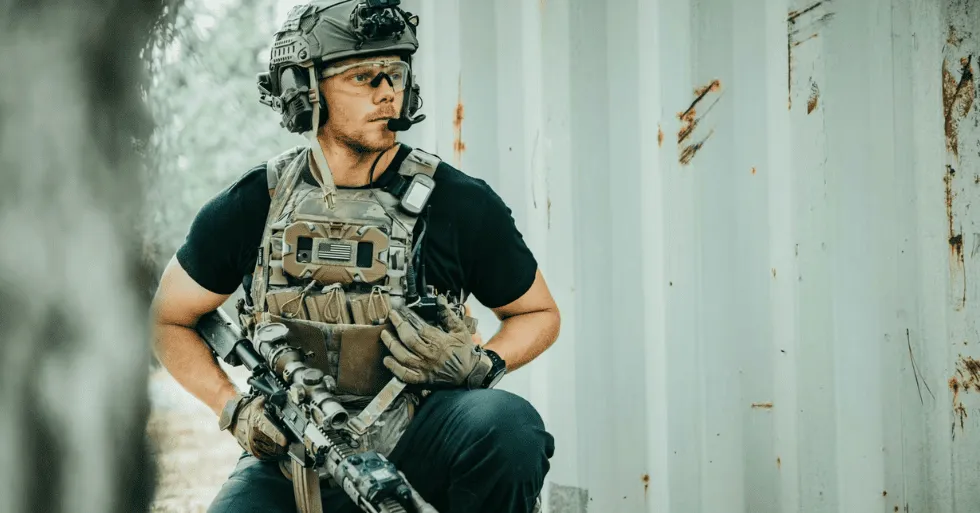
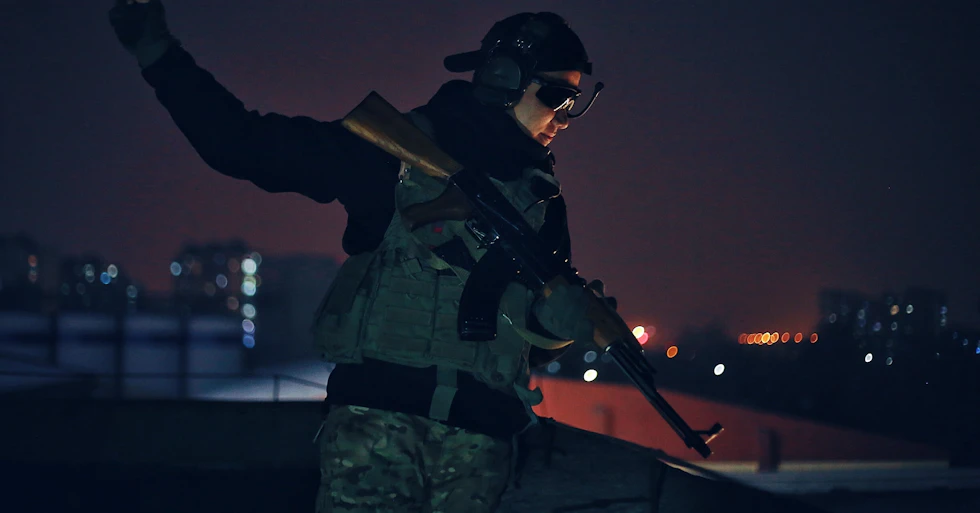
Modern warfare has evolved beyond traditional engagements, incorporating urban combat, electronic warfare, trench fighting, and high-tech threats like UAVs and UGVs. Soldiers must now operate in dynamic and unpredictable environments where threats move, take cover, and react intelligently.
Traditional range training with static targets and predictable drills no longer prepares troops for real-world combat stressors. Advanced target systems bridge this gap, providing AI-driven movement, real-time analytics, and adaptive scenarios that sharpen a soldier’s reaction time, decision-making, and combat effectiveness.
Why Traditional Training Falls Short
Conventional training creates predictable patterns, which can be detrimental in actual combat. Operators often get used to what happens and when it happens, allowing them to anticipate drills rather than react dynamically. This builds a false sense of readiness—real enemies don’t follow a script.
Other key shortcomings include:
Adaptive enemy tactics – Unlike static targets, real adversaries use cover, flanking, and suppressive fire.
Predictable engagements – Traditional drills condition soldiers to expect threats at specific moments, reducing real-world adaptability.
Urban & CQB complexity – Hostiles and civilians are mixed, demanding instant, unpredictable shoot/no-shoot decisions.
Unmanned and electronic warfare – UAVs, UGVs, and cyber threats disrupt conventional tactics, requiring new countermeasures.
Team-based combat – Isolated marksmanship drills don’t prepare units for coordinated tactical execution.
Advanced target systems break these patterns by introducing unpredictability, intelligent movement, and adaptive responses, forcing operators to react to realistic, unscripted battlefield conditions.

Key Capabilities of Advanced Target Systems
1. Adaptive Enemy Simulation
Advanced targets move, take cover, and react intelligently to engagements. AI-driven systems simulate enemy fire teams, retreat under suppressive fire, or advance when soldiers hesitate. Targets adjust based on shooter actions, forcing soldiers to think tactically rather than shoot reflexively.
2. Real-Time Combat Analytics
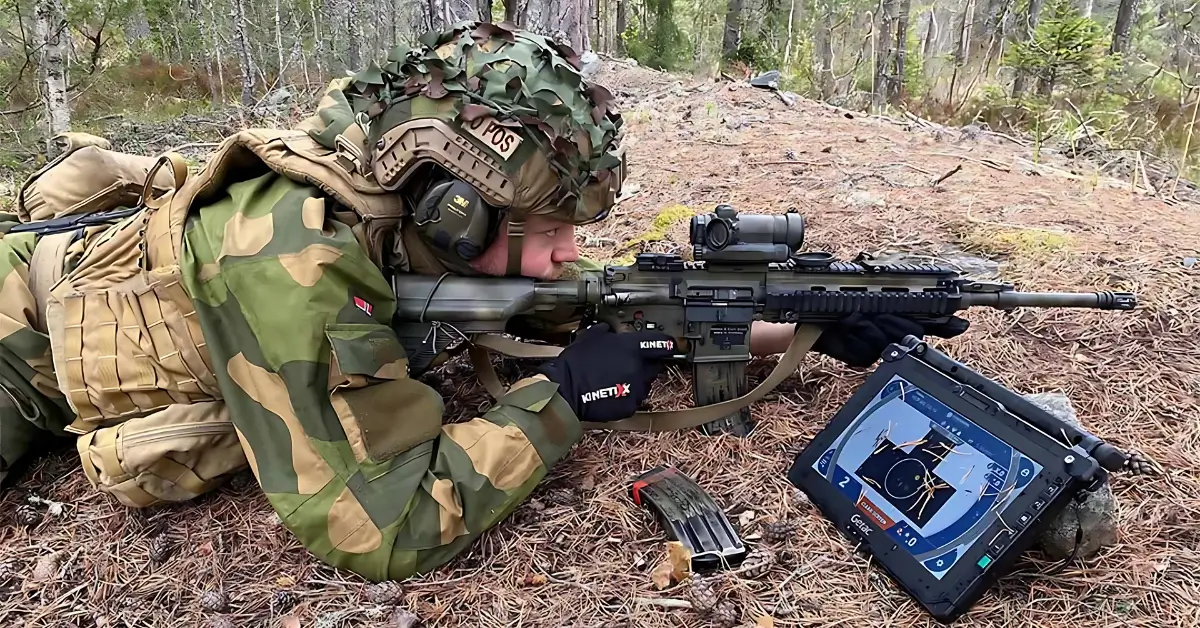
Modern training incorporates data-driven insights that improve performance. Systems like LOMAH (Location of Miss and Hit) provide real-time shot tracking and ballistic analysis, while AI-driven analytics measure reaction time, accuracy, and threat prioritisation. After-action reviews (AARs) enhance training efficiency by identifying weaknesses and refining combat tactics.
3. Decision-Making Under Fire
Combat is not just about accuracy—it’s about making the right decision under pressure. Advanced target systems simulate high-stakes scenarios, such as:
- Distinguishing hostiles from civilians in urban operations.
- Engaging UAV and UGV threats with rapid countermeasures.
- Reacting to moving enemies who reposition and use cover dynamically.
This type of training ensures ethical, precise, and strategic engagements on modern battlefields.
4. Live Fire, Simulation, and Hybrid Training
Practical combat readiness comes from live-fire exercises, simulation-based drills, and VR-enhanced training.
- Live-fire targets provide realistic ballistic feedback, reinforcing proper shot placement and recoil control.
- Laser-based & force-on-force training allows tactical team-based engagements in a safe, cost-effective environment.
- VR and AR-enhanced training merges physical and digital battle spaces, allowing for complex mission rehearsals and scenario-based training.
Live Fire: The Gold Standard in Combat Training
While simulations and virtual training enhance skill-building, live fire remains the most effective method for:
- Building stress tolerance exposes troops to the psychological intensity of combat.
- Weapon proficiency ensures soldiers master weapon handling, recoil control, and shot placement under real conditions.
- Real-world engagement dynamics force quick adjustments based on enemy movement, environmental factors, and team coordination.
Although live-fire target systems require higher initial investment, they lower long-term training costs by:
- Reducing ammunition waste through precise tracking and correction.
- Improving training efficiency, minimising retraining time for underperforming soldiers.
- Ensuring every round fired contributes to skill development, making training more cost-effective.
For forces seeking true combat readiness, live fire is not just an option—it’s essential.
Implementation Considerations
When integrating advanced target systems, decision-makers should assess:
- Scalability—Does the system support small-unit drills and full-scale combat exercises?
- Environmental adaptability—Is it effective for urban warfare, night operations, and extreme weather conditions?
- Integration—Does it work with live fire, force-on-force simulations, and VR-based training?
- Durability & Maintenance—Can it withstand continuous high-intensity use while remaining cost-effective?
The right system should be future-proof, adaptable, and provide measurable improvements in combat performance.
Future Technologies in Combat Training
The next generation of military training will incorporate:
- AI-driven adaptive targets that learn and adjust tactics based on shooter performance.
- Haptic stress simulation to replicate battlefield stress and fatigue.
- Autonomous drone targets for counter-UAV and anti-reconnaissance training.
- Augmented Reality (AR) battlefields that merge real-world environments with interactive combat scenarios.
These innovations will increase training realism, efficiency, and adaptability, ensuring military forces stay ahead of evolving threats.

The Future of Combat Training Starts Now
Advanced target systems are no longer a luxury—they are mission-critical. By integrating realistic enemy behaviour, combat stress simulations, and AI-driven analytics, these systems ensure that warfighters are fully prepared for unpredictable battle conditions.
A combination of live-fire training, force-on-force simulations, and cutting-edge analytics produces a military force that is faster, more precise, and tactically superior.
Ready to enhance your training capabilities? Contact MSS Defence today for state-of-the-art solutions tailored to your operational needs.