Special forces are the tip of the spear, tasked with missions where failure is not an option. Every gear they carry must deliver reliability, adaptability, and efficiency, tailored to their unique operational environments – urban jungles, dense forests, frozen tundras, or scorching deserts. This blog dives deep into the best accessories for special forces, breaking down essential tools, future innovations, and the critical role of training in mission success.
Tactical Drones: The Operator’s Third Eye
Drones have transformed special operations, providing unmatched situational awareness and operational flexibility.
Applications
Urban: Silent, compact drones excel in building-to-building reconnaissance and identifying threats in tight spaces.
Jungle: Advanced obstacle-avoidance technology navigates dense foliage for effective surveillance.
Arctic and Desert: Rugged drones withstand extreme temperatures and offer thermal imaging for heat detection in challenging environments.
Tips for Effective Use
- Ensure operators are trained to integrate drone feeds into team coordination and tactical planning.
- Conduct mission-specific pre-flight assessments to maximise drone utility.
Tactical Helmets: More Than Head Protection
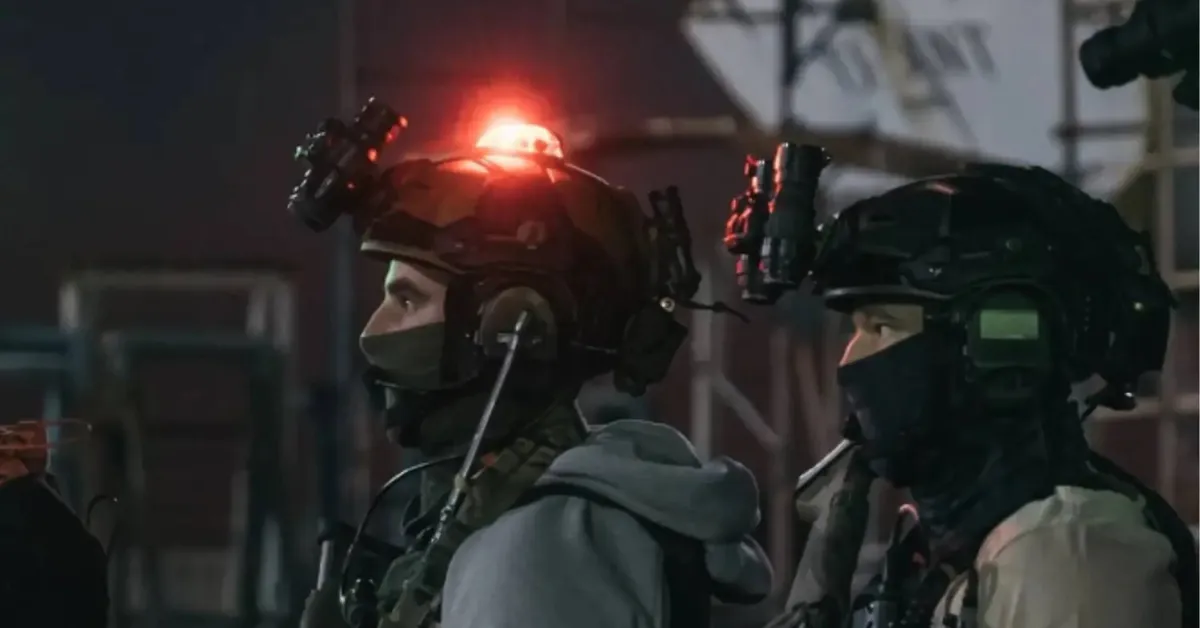
Modern helmets are multifunctional platforms integrating critical systems like communication, night vision, and data feeds.
Key Features
Urban and Jungle Operations: Lightweight helmets with ventilation systems for comfort and mobility.
Arctic and Desert Conditions: Insulated liners and weatherproof materials for harsh environments.
Integrated Systems: Night vision mounts, camera attachments, and built-in comms to streamline battlefield awareness.
Training Insights
- Operators must practice using helmet-mounted systems, like night vision, to maintain situational awareness under pressure.

Weapon Attachments: Precision for Any Mission
Weapon accessories enhance flexibility, accuracy, and combat efficiency.
Environment-Specific Attachments
Urban Combat: Red dot sights and suppressors for quick engagements and stealth.
Jungle Warfare: Thermal scopes for visibility through foliage and dense cover.
Arctic and Desert: Rugged optics that resist fogging or sand ingress for reliable performance.
Cost Considerations
- Invest in multi-purpose optics and modular attachments that can adapt across various terrains, maximising value.
Load-Bearing Equipment (LBE): Mobility Meets Versatility
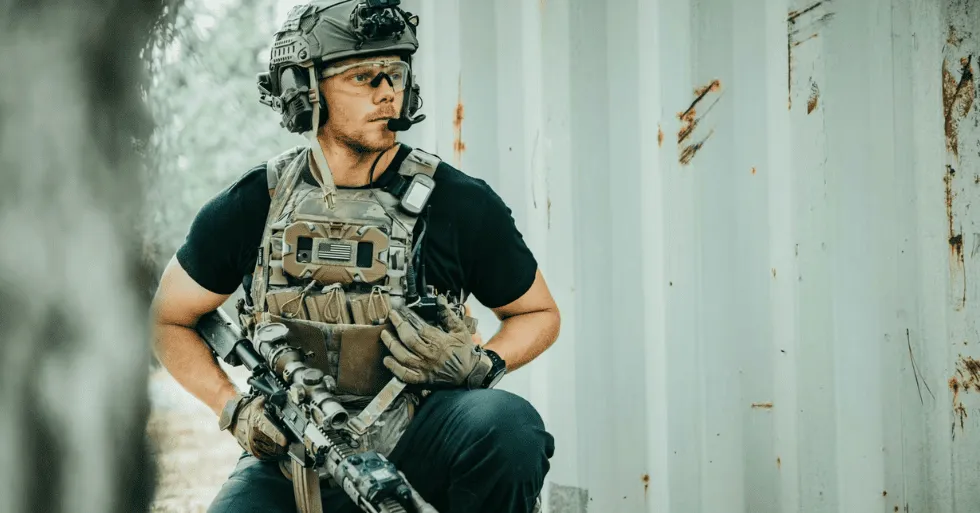
Special forces need to move fast while carrying everything they need. The right LBE ensures efficiency without sacrificing agility.
Operational Requirements
Urban and Jungle Environments: Slim, lightweight designs for manoeuvring through tight spaces and dense vegetation.
Arctic and Desert: Weatherproof materials to protect gear from extreme conditions.
Pro Tips
- Modular systems with customisable pouch configurations allow operators to tailor their load-outs to specific missions.
- Training should focus on weight distribution and quick access to critical gear.
Advanced Communication Systems: The Backbone of Coordination
Seamless communication is non-negotiable for operational success, particularly in high-stress scenarios.
Key Features
Encrypted Systems: Maintain operational security against adversarial interception.
Noise-Cancelling Tech: Ensure clarity in loud combat environments.
Hands-Free Options: Push-to-talk integrations with helmets for streamlined communication.
- Operators must train in realistic conditions to simulate the stress and noise of live operations.
Illumination Tools: Light Where It Matters
Tactical lights are indispensable for navigation, identification, and engagement in low-visibility conditions.
Environment-Specific Needs
Urban: Compact weapon-mounted lights for tight spaces.
Jungle: High-lumen handheld lights to penetrate dense canopies.
Arctic and Desert: Weather-resistant lights capable of operating in extreme cold or heat.
Operational Tip
- Operators should practice controlling brightness settings to avoid exposing their position inadvertently.

Navigation Tools: Keeping the Mission on Course
Accurate navigation tools are essential for maintaining orientation in challenging terrains.
Critical Tools
Urban and Jungle: GPS systems for complex terrain with backup analogue compasses.
Arctic and Desert: Devices that include altimeters and rangefinders for featureless landscapes.
Training Focus
- Operators must maintain proficiency in traditional map and compass navigation as a contingency for electronic failure.
Medical Kits: Every Second Counts
In the field, self-sufficiency in trauma care is vital. Individual First Aid Kits (IFAKs) must be accessible, comprehensive, and user-friendly.
Mission-Specific Contents
Urban: Hemostatic agents and compact tourniquets for quick haemorrhage control.
Arctic and Desert: Hypothermia prevention tools or hydration systems.
Proficiency Tip
- Regular training in trauma management ensures operators can effectively use IFAKs under pressure.
Multi-Tools and Tactical Knives: Compact Versatility
From survival tasks to emergency repairs, multi-tools and knives are indispensable.
Key Considerations
- Durable construction to withstand harsh conditions.
- Lightweight designs for ease of carry without adding bulk.
Tactical Gloves: Protection Without Compromise
Special forces operators need gloves that protect their hands while maintaining dexterity.
Environment-Specific Needs
Urban and Desert: Breathable materials to prevent overheating.
Arctic: Insulated gloves with touchscreen compatibility for extreme cold.
Training Tip
Operators should drill with customised setups to develop muscle memory for quick and efficient access.

The Future of Special Forces Gear: Transformative Technologies
Emerging technologies are redefining the battlefield and pushing the boundaries of what’s possible.
AI-Powered Drones: Capable of autonomous decision-making, providing real-time analytics and advanced threat detection.
Augmented Reality Helmets: Overlays of navigation data, enemy positions, and mission-critical information directly into the operator’s field of view.
Exoskeletons: Enhancing physical strength and endurance, enabling operators to carry heavier loads with reduced fatigue.
Adaptive Camouflage: Uniforms and gear that change colours or patterns to blend seamlessly into the environment.
- While these technologies are game-changing, their effectiveness depends on rigorous training. Operators must master these tools and maintain traditional skills to ensure operational redundancy.
Final Thoughts: Preparing for Mission Success
For special forces, gear is more than just equipment – it’s a lifeline. The right accessories must seamlessly align with mission requirements, operational environments, and budget considerations. Equally, training is the ultimate force multiplier, enabling operators to master their gear and stay sharp in the fundamentals that ensure mission success.
By integrating cutting-edge technology, versatile tools, and continuous training, special forces can dominate any scenario and adapt to the unexpected. Gear up, train hard, and stay mission-ready.
Contact MSS Defence today to explore specialist solutions tailored to your operational needs. Let us empower your mission readiness and ensure your team is prepared for any challenge.